
A Guide to Straightening Your Smile
Orthodontics is a specialized branch of dentistry focused on diagnosing, preventing, and correcting misaligned teeth and jaws. While it’s often associated with braces, modern orthodontics offers many options to improve both the appearance and function of your smile.
Orthodontic treatment can address a variety of issues, including the following:
- Malocclusion (bad bite) – Overbite, underbite, crossbite, or open bite, which can affect speech, chewing, and facial balance.
- Crowding – Teeth overlapping or twisting due to insufficient jaw space, making cleaning harder and increasing decay risk.
- Spacing – Gaps between teeth from genetics, missing teeth, or jaw growth.
- Protruding teeth – Teeth sticking out too far, increasing chipping risk.
- Jaw misalignment – Structural issues that can cause pain, headaches, and chewing difficulties.
Treatment Options: Your orthodontist will recommend the best method based on your needs, preferences, and severity of issues. The following are some of those options.
- Traditional Metal Braces – Brackets and wires apply continuous pressure to move teeth; effective for complex cases.
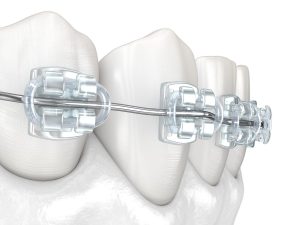
- Clear Braces – Ceramic or plastic brackets that blend in with teeth for a more discreet look.
- Invisalign – Clear, removable aligners for mild to moderate crowding or spacing; easy to maintain oral hygiene.
- Lingual Braces – Placed on the inside of teeth, invisible from the front.
- Other appliances – Functional devices for jaw alignment or bite correction.
Benefits of Orthodontic Treatment
- Improved smile aesthetics and self-confidence.
- Better oral health – Easier cleaning reduces cavities and gum disease risk.
- Improved function – Corrects bite issues, reducing jaw pain, grinding, and chewing problems.
- Long-term results – Properly aligned teeth maintain health and function for years.
Process and Timeline
- Initial consultation – Diagnosis and treatment plan.
- Preparation – Teeth cleaning, impressions, and appliance fitting.
- Treatment phase – Regular adjustments (every 4–6 weeks for braces; aligner changes every 1–2 weeks for Invisalign).
- Retention – Wearing retainers after treatment to maintain results.
Post-Treatment Care
- Wear retainers as prescribed to prevent relapse.
- Maintain good oral hygiene to protect newly aligned teeth.
- Attend follow-up appointments for check-ups.
Bottom line: Orthodontics is not just about cosmetic improvement—it’s a valuable investment in your long-term oral health and quality of life. Whether you choose braces, clear aligners, or another option, a personalized plan from a qualified orthodontist will help you achieve a straighter, healthier smile.
Orthodontics is a dental specialty that corrects misaligned teeth and jaw issues using treatments such as braces, clear aligners, and other corrective appliances to improve oral health and smile appearance.
Orthodontic treatment can address crowded teeth, gaps between teeth, overbites, underbites, crossbites, open bites, protruding teeth, and jaw alignment issues.
Invisalign can effectively treat many mild to moderate alignment issues, while traditional braces are often recommended for more complex orthodontic cases.
Treatment time varies based on the severity of the condition, but most orthodontic treatments take between 12 and 36 months, followed by retainer use to maintain results.
Straightening your teeth can improve your smile, boost confidence, make oral hygiene easier, reduce the risk of cavities and gum disease, and improve chewing and bite function.