
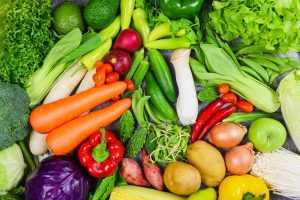
Maintaining a tooth-friendly diet is one of the most effective ways to protect your smile from decay, gum disease, and enamel erosion. The right foods provide essential nutrients, stimulate saliva production, and help clean teeth naturally.
Key Nutrients for Strong Teeth
- Calcium – Strengthens enamel and supports bone health. Found in dairy (milk, cheese, yogurt), leafy greens (kale, spinach), and fortified plant milks.
- Phosphorus – Works with calcium to rebuild tooth structure. Found in lean proteins (chicken, turkey, fish), eggs, nuts, and seeds.
- Vitamin D – Helps absorb calcium. Sources include fatty fish, eggs, mushrooms, and fortified foods Smile.
- Vitamin C – Supports gum health and collagen formation. Found in citrus fruits, strawberries, broccoli.
- Vitamin A – Maintains soft tissues in the mouth.
- Omega-3 fatty acids – Reduce gum inflammation; found in fatty fish like salmon.
Foods to Include
- Crunchy fruits & vegetables – Apples, carrots, celery, cucumbers stimulate saliva and act as natural toothbrushes.
- Lean proteins – Chicken, turkey, fish, tofu, beans, and eggs provide phosphorus and vitamin D.
- Nuts & seeds – Almonds, walnuts, chia seeds offer calcium, phosphorus, and healthy fats.
- Whole grains – Brown rice, quinoa, oats, whole wheat bread/pasta provide fiber and nutrients.
- Dairy-free calcium sources – Fortified plant milks, tofu, and leafy greens for lactose-intolerant diets.
- Water – Hydrates and promotes saliva flow to neutralize acids.
- Sugar-free gum with xylitol – Stimulates saliva and reduces cavity risk.
- Green/black tea – Polyphenols help fight bacteria and reduce gum disease.
- Strawberries – Vitamin C for gum health.
- Cheese – Calcium, phosphorus, and pH-balancing minerals.
Foods to Limit
- Sugary snacks & drinks – Feed acid-producing bacteria.
- Acidic foods/drinks – Citrus fruits, soda, sports drinks can erode enamel if consumed often.
- Chewing ice – Risk of cracked or chipped teeth.
Healthy Eating Habits
- Eat regular meals to maintain saliva flow and neutralize acids.
- Avoid excessive snacking between meals.
- Use water as your primary beverage.
- Combine nutrient-rich foods with regular brushing, flossing, and dental checkups.
Bottom line: A balanced diet rich in calcium, phosphorus, vitamins D, C, and A, along with crunchy, fibrous foods and hydration, can significantly strengthen your teeth and gums while reducing the risk of dental problems.
Foods rich in calcium, phosphorus, and vitamins D and C help strengthen teeth and gums. Good choices include dairy products, leafy greens, fish, nuts, seeds, and crunchy fruits and vegetables.
Yes. Foods that stimulate saliva production, such as apples, carrots, celery, and sugar-free gum with xylitol, can help wash away bacteria and reduce the risk of cavities.
Limiting sugary snacks, soft drinks, sports drinks, and highly acidic foods can help prevent tooth decay and enamel erosion.
Yes. Water helps rinse away food particles, neutralize acids, support saliva production, and keep your mouth hydrated, all of which contribute to better oral health.
A nutrient-rich diet that includes vitamins C and D, omega-3 fatty acids, and antioxidants can help reduce inflammation, support healthy gums, and lower the risk of gum disease.