
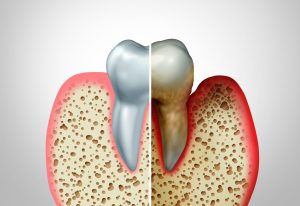
Gum disease, also called periodontal disease, is an infection and inflammation of the gums and the tissues that support your teeth. It ranges from gingivitis (mild, reversible inflammation) to periodontitis (advanced disease causing bone and tissue loss).
Causes and Risk Factors
The main cause is dental plaque — a sticky film of bacteria that forms on teeth. If not removed daily by brushing and flossing, plaque hardens into tartar, which can only be removed by a dental professional.
Other significant risk factors include:
- Smoking or tobacco use — weakens immunity and reduces treatment success.
- Poor oral hygiene — allows plaque buildup.
- Genetics — some people are predisposed to gum disease.
- Age — prevalence increases with age; over 70% of adults 65+ are affected.
- Hormonal changes — pregnancy, menopause, puberty.
- Medical conditions — diabetes, HIV/AIDS, cancer.
- Medications — those reducing saliva flow (dry mouth).
- Stress — can weaken immunity and increase inflammation.
Prevention Strategies
- Brush twice daily with fluoride toothpaste and floss daily to remove plaque.
- Use mouthwash with antibacterial properties to reduce bacteria.
- Visit your dentist twice a year for cleanings and checkups.
- Quit smoking and limit tobacco use.
- Manage chronic conditions like diabetes.
- Stay hydrated to maintain saliva flow and reduce dry mouth risk.
- Eat a balanced diet rich in vitamins C and D, and antioxidants.
Symptoms to Watch For
- Red, swollen, or tender gums
- Bleeding gums
- Gums pulling away from teeth
- Loose or sensitive teeth
- Persistent bad breath or taste
- Painful chewing
Treatment Options
- Gingivitis: Usually reversible with professional cleaning and improved home care.
- Periodontitis: Managed with deep cleaning (scaling and root planing), antibiotics if needed, and sometimes surgical procedures.
- Aggressive periodontitis: May require specialist care (periodontist) and more intensive treatment.
- Lifestyle changes: Smoking cessation, better nutrition, and stress management improve outcomes.
Key Takeaway
Gum disease is largely preventable with good oral hygiene, regular dental visits, and healthy lifestyle choices. Early detection and treatment can prevent tooth loss and reduce the risk of complications with other chronic conditions.
Gum disease is primarily caused by plaque buildup on teeth and gums. Risk factors such as poor oral hygiene, smoking, diabetes, genetics, and hormonal changes can increase the likelihood of developing periodontal disease.
Common early symptoms include red, swollen, or tender gums, bleeding while brushing or flossing, persistent bad breath, and gum sensitivity.
Yes. Gingivitis, the earliest stage of gum disease, can often be reversed with professional dental cleanings and improved daily oral hygiene habits.
You can help prevent gum disease by brushing twice daily, flossing every day, using an antibacterial mouthwash, visiting your dentist regularly, and avoiding tobacco products.
Treatment options depend on the severity of the condition and may include professional cleanings, scaling and root planing (deep cleaning), antibiotics, and, in advanced cases, periodontal surgery.